
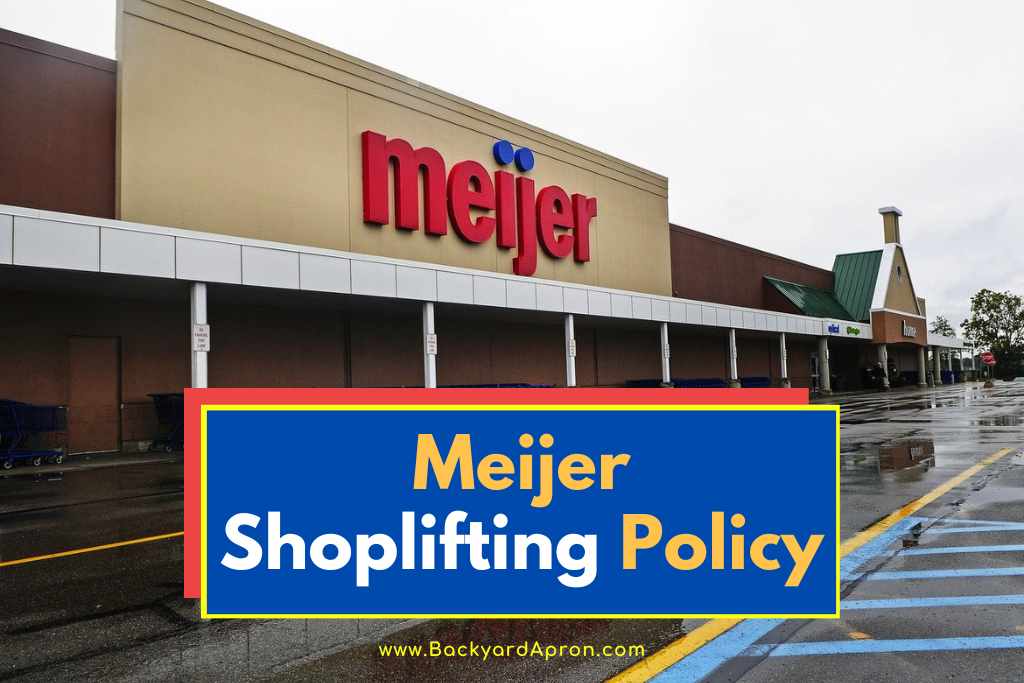
Meijer is a popular regional supercenter chain in the United States with over 100 stores across the country.
With so many popular locations, Meijer has established practices to combat shoplifting, although they do not publicize their specific policies.
As a supercenter chain, Meijer may prosecute shoplifters to the fullest extent of the law. This article will shed light on Meijer’s shoplifting prevention measures – such as their customer and device tracking systems, employee training, and machine learning assistance – and the potential consequences of shoplifting at their stores.
The Meijer Brand
Founded in 1934 by Hendrik Meijer and his son Frederik Meijer, Meijer has grown to become one of the largest retail companies in the United States. With its headquarters in Grand Rapids, Michigan, Meijer operates a chain of supercenter stores primarily in the Midwest.
These stores offer a wide range of products, including groceries, clothing, electronics, household items, and more, providing customers with a comprehensive shopping experience.
Meijer’s commitment to customer satisfaction goes beyond its reliable products, as the company also prioritizes community involvement and charitable initiatives.
Through partnerships with local organizations, Meijer contributes to the well-being and development of local communities, and they bring that same level of care into their stores to stop shoplifting and other crimes.
How Meijer Stops Shoplifters
Meijer uses a variety of strategies and plans to spot, stop, and catch shoplifters in their stores. They combine customer tracking, surveillance, device numbers, and employee training.
By employing these tactics, Meijer strives to create an environment that discourages shoplifting, reduces opportunities for theft, and increases the likelihood of tracking and stopping shoplifters when incidents occur.
These strategies work together to protect the store’s assets, maintain profitability, and provide a safe and secure shopping experience for their employees and customers.
Keeping Track of Customers
Meijer employs various methods to track customer routes as they move around their stores. By strategically placing cameras throughout the stores, they can monitor customer movements and detect suspicious behavior.
This allows the security team and/or employees to respond promptly to potential shoplifting incidents and take appropriate action.
Surveillance System
Meijer maintains a comprehensive surveillance system that includes a network of security cameras installed inside and outside of their locations.
These cameras help capture video footage of the sales floor, entrances, exits, and other areas, providing visual evidence in case of shoplifting incidents.
The surveillance system acts as a deterrent to potential shoplifters, as they are aware they are being monitored.
Visible Presence
If the security cameras aren’t enough of a deterrent, many stores deploy uniformed security personnel or plainclothes loss prevention officers who patrol the sales floor.
The presence of open and undercover officers can help spot and stop theft as it occurs.
Product Placement
Retailers like Meijer strategically arrange merchandise to maximize visibility and optimize the store layout.
Clear sightlines and unobstructed views help employees and security personnel keep an eye on the sales floor, making it harder for shoplifters to conceal stolen items.
Logging Device Numbers
To enhance their shoplifting prevention measures, Meijer logs the device numbers of high-value merchandise, such as electronics, to track their movement within the store.
This practice helps ensure that valuable items are properly accounted for and minimizes the risk of theft.
If a device’s movement is not consistent with a customer’s shopping route, it may raise suspicion and prompt further investigation.
Additionally, missing items may be tagged and flagged if a shoplifter tries to return the item without a receipt in the future.
Read also >> What To Do If Caught Shoplifting? (All You Need To Know)
Read also >> What Is Civil Recovery From Shoplifting? (Restitution + More)
Read also >> Should I Pay A Civil Demand Letter For Shoplifting? (Penalty)
Read also >> How Long Do Stores Keep Shoplifting Records?
Alerting Employees
Meijer emphasizes the importance of vigilant employees who are trained to recognize and respond to shoplifting incidents.
In case of suspected shoplifting, employees are taught to observe and recognize the situation discreetly, gathering the necessary information to proceed.
Employees may be instructed to take appropriate actions while maintaining the safety and security of both customers and employees.
If a security guard is present at the location, they will be notified and may stop the shoplifter in action before the police are called.
Machine Learning
Meijer has embraced machine learning technology to augment their shoplifting prevention efforts through a program by Michigan State University. While there is no real-time data for how many locations use this security feature, the ones that do have a leg up on shoplifters.
By analyzing data from various sources, such as surveillance footage, point-of-sale transactions, and inventory records, machine learning algorithms at Meijer can identify patterns and anomalies associated with shoplifting.
This information helps Meijer develop predictive models to proactively prevent and mitigate shoplifting incidents.
Collaborating with Law Enforcement
Retailers often collaborate with local law enforcement agencies, sharing information and surveillance footage of known shoplifters.
This cooperation helps identify repeat offenders and improve the effectiveness of store security measures.
The Cost of Shoplifting from Meijer
Shoplifting has legal consequences, and the severity of the punishment depends on the jurisdiction and the value of the stolen goods.
Generally, shoplifting is treated as a criminal offense, and individuals may face criminal charges, fines, probation, community service, and potential civil penalties, such as paying restitution to the retailer. Shoplifters may also be permanently banned from returning to the store.
Some Meijer stores may offer an alternative to legal persecution, such as a diversion program for first-time offenders.
These programs typically involve completing certain requirements, such as attending theft prevention classes, paying restitution, and remaining law-abiding for a specified period.
Shoplifting from a Meijer in Michigan
In Michigan, where Meijer is headquartered, retail fraud is categorized into first, second, and third degrees, each with varying penalties.
- First-degree retail fraud involves stealing goods valued at $1,000 or more and is a felony punishable by imprisonment and fines.
- Second-degree retail fraud applies to stolen goods valued between $200 and $1,000, carrying misdemeanor charges.
- Third-degree retail fraud involves theft of goods valued below $200 and is considered a misdemeanor offense.
It is important to note that the legal consequences of shoplifting can extend beyond Michigan and may differ based on state laws.
It will be up to the owner, manager, or security officer of each independent Meijer store to decide whether or not the shoplifter will be prosecuted and the appropriate authorities will be called.
Shoplifting Issues in Meijer Locations
Much like other retailers, Meijer has had to come up with crafty solutions for a creative shoplifting population.
Creative shoplifters have been a source of concern for the company, and incidents have been reported across different locations.
For example, one incident was documented in a police blotter report from Seven Hills, Ohio. According to the report, the Seven Hills Police Department responded to various shoplifting incidents at a Meijer store where shoplifters deceived the self-scanner checkouts by taking items they never scanned or leaving items on the bottom of their carts.
They later sold or returned the items to another Meijer store, taking advantage of the chain’s customer-friendly return policies.
Final Thoughts
While Meijer may not publicly disclose the specifics of their shoplifting policy, they use various measures to track and prevent shoplifting incidents.
The company aims to protect its merchandise, customers, and employees through a combination of surveillance, employee training, technology, and potential prosecution to the fullest extent of the law.
No matter the policies, shoplifting has legal consequences, and individuals need to understand and respect the laws regarding theft to avoid facing potential criminal charges and penalties.