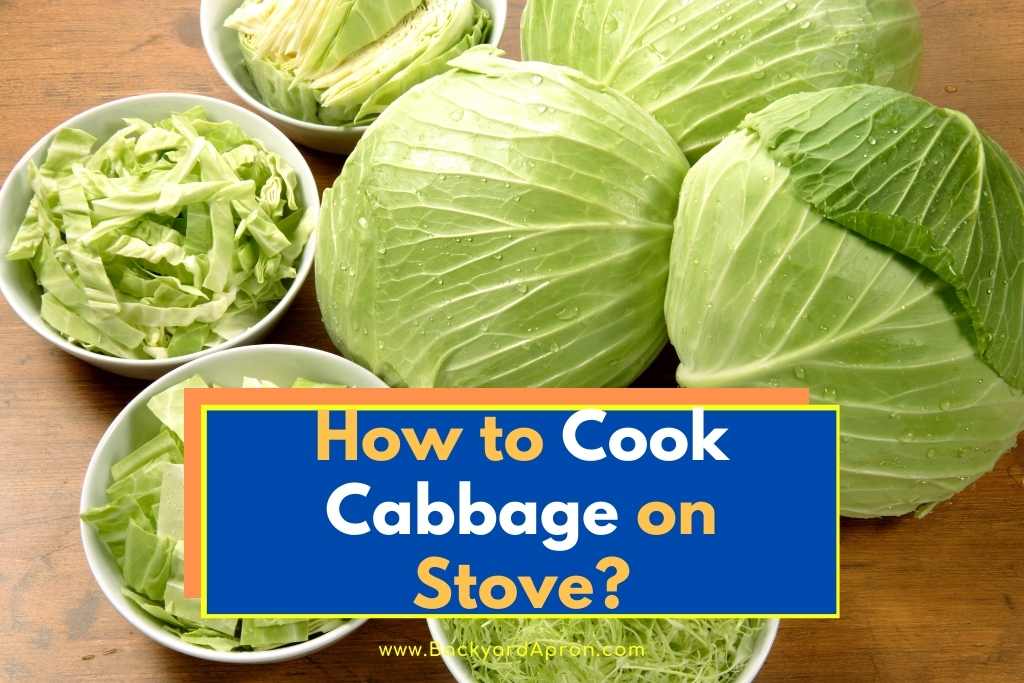
Cooking cabbage on the stovetop is relatively simple and only takes a few minutes.
To start, you’ll need to wash the cabbage and chop it into thick slices or wedges. Then heat olive oil in a large skillet over medium-high heat. Once the oil has heated up, add the chopped cabbage, garlic, salt, and pepper to taste. Cook over medium-high heat for about 8 minutes until the cabbage begins to brown.
Stir frequently as you cook to ensure that it gets evenly cooked throughout. Once done, remove from heat and serve hot if desired!
With this step by step guide, you can make delicious cabbage on your stove any time!
🍜🔪 CLICK HERE TO SEE MY BEST KITCHEN TOOLS & APPLIANCES ⏲️🥘
How To Cook Cabbage on the Stove Step By Step
Cooking cabbage on the stove is a fast and simple way to prepare this nutritious vegetable. To get started, choose crisp, heavy heads of cabbage and cut them into quarters or eighths.
Remove the tough inner core then slice, shred, or chop the leaves depending on how you want to serve your dish.
For example, if you’re making coleslaw, shredding will yield the best results. Once prepared, heat oil in a pan over medium heat before adding your cabbage to the pan.
Saute for around 5 minutes until it starts wilting then add stock or water and seasonings of your choice like onion powder and garlic powder.
Continue cooking covered until tender-crisp, stirring occasionally until all the liquid is absorbed. This should take about 15 minutes in total and result in delicious cooked cabbage that can be part of any meal!
What To Serve Cabbage With
Pairing food is always a fun way to get creative in the kitchen, and cabbage is incredibly versatile. Cabbage can easily become part of the main entree, used as the bed for roasted vegetables or slow-cooked meats.
If you’d rather highlight cabbage as an accompanying dish, consider bringing out its flavor by grilling or roasting it with a drizzle of olive oil and seasoned salt.
To make things interesting, you could also add some spice by making tacos with tasty refried beans and chorizo sausage.
For something heartier, try making a delicious soup with potatoes, carrots, and other vegetables topped with crumbled bacon or cooked ground beef.
Whatever you’re looking for, there’s something special about including cabbage in your meal for a touch of color and crunch.
Read also >> Is Boiled Sweet Potato Good for Weight Loss? (The Truth!)
Read also >> How Long to Bake Salmon at 325°F (Do This Before…)
Read also >> How Long to Bake Boneless Chicken Thighs at 425?
How To Store Leftovers
When storing cooked cabbage leftovers, there are a few important steps to ensure your food will remain safe.
First, allow the cabbage to cool completely before you place it in an airtight container. Refrigerate as soon as possible and eat within 3-4 days.
Additionally, when reheating your cabbage leftovers make sure the temperature is at least 165 degrees Fahrenheit or higher. This helps kill off any bacteria that may have formed during storage.
Be sure to check the temperature of your leftovers often either with a thermometer or by stirring for even heating throughout the dish.
Lastly, if the cabbage has been in the refrigerator for more than 4 days you should discard of it and not consume it due to food safety concerns. By following these simple steps you can safely store and enjoy your cooked cabbage leftovers every time!
Ingredients
Cooked cabbage consists of a few simple ingredients that can be readily found in your kitchen pantry.
The basics of cooked cabbage include a large green or red cabbage, some butter or olive oil, salt, and optional seasonings like onion popper, garlic powder, white sugar and pepper flakes.
To prepare the dish, start by shredding the cabbage into thin strips then sauté it in the butter or oil over medium heat until the leaves are soft crispy.
For extra flavor, add the optional seasonings before serving. This classic side dish complements any seafood or poultry meal and is sure to please all of your guests.
Nutrition Facts per Serving
Cabbage is an incredibly nutritious vegetable that has surprising health benefits. Cabbage is rich in vitamins C, K and A as well as being a good source of dietary fiber.
It also contains a wide array of important minerals and is low in calories.
When cooked, nutritionally speaking, cabbage does not lose any of its properties. In fact, some nutritionists claim that cooked cabbage may even contain more essential nutrients than when it is consumed raw.
Furthermore, eating cooked cabbage may increase the body’s ability to absorb certain vital nutrients due to the heat breaking down cell walls and unlocking them for absorption into our bodies.
As such, adding cooked cabbage to one’s diet can be a delicious way of getting an abundance of nutritional benefits while also introducing variety into meals.
Equipment and Cooking Time
Cooking cabbage can be a straightforward task that produces tasty results. Depending on your desired outcome, there are several methods for cooking it.
For example, for shredded cabbage which is often used for salads or slaws, all you need is a cutting board, sharp knife and maybe a food processor to rapidly dice the cabbage.
For boiled cabbage, you will need a large pot and an adequate amount of water to submerge the head of cabbage while leaving enough room above it so that it isn’t overflowing once all the leaves are in.
You will also need a colander and some salt as well as butter or oil if desired to finish off your dish. Most boiled cabbages will be cooked in 10-12 minutes depending on how firmly they have been chopped before boiling.
Boiled or Steamed Cabbage FAQs
How long do you boil cabbage to get it tender?
Boiling cabbage is an essential part of preparing it for a variety of dishes. Knowing how long to boil cabbage can be the difference between crunchy, flavorless results and tender, mouthwatering recipes. Generally, boiling cabbage requires approximately 10 minutes.
To test if it’s done, simply take one leaf out of the pot and check its consistency. If it’s still tough to chew, you may need to boil it for an additional few minute until completely tender and easy to cut up with a spoon.
It’s important to keep in mind that larger heads of red or green cabbage will require more cooking time than those with thinner leaves so adjust your boiling times appropriately.
If boiled correctly, you should have perfectly cooked cabbage every time!
Is it better to steam cabbage or boil it?
When deciding between steaming and boiling cabbage, there are a few things to consider.
Steaming the cabbage ensures that its prized vitamins and minerals remain in tact and aren’t destroyed by heat – it also prevents the vegetable from taking up too much water which can impact both flavor and texture.
The cooking time for steamed cabbage is usually longer than boiled cabbage, making it less convenient but more nutritious.
On the flip side, boiling cabbage allows for quicker cook times as well as fast, even cooking with no fear of burning or uneven cooking.
However, due to potential nutrient leaching into the boiling water, many nutritionists recommend consuming limited amounts of boiled cabbage to reap the most out of its benefits.
Ultimately, whether you choose to steam or boil your cabbages comes down to personal preference – weighing pros and cons such as nutritional value versus convenience as well as desired texture and flavor.
How do you know when cabbage is done?
Determining when cabbage is done is actually quite simple and requires just a few things to ensure its quality.
First, use a knife to facilitate softness testing in several spots of the head. If the knife easily passes and no resistance is felt, then the cabbage is likely cooked enough.
Alternatively, you can listen for a sound as a guide — when there’s audible sizzling present from liquid steaming within the cabbage, it’s likely done.
Finally, taste test at this point to take full account of optimal doneness; if desired tenderness isn’t achieved after these tests, continue cooking and monitor until satisfied with texture. Doing so will provide the best outcome for any cabbage-related dish!
Cabbage Like My Mom Used To Make It | Simple Recipe >> Check out the video below:
Conclusion
Stovetop cooking of cabbage is a quick and easy process that requires only a few minutes of your time.
The first step is to clean and slice or wedge the cabbage into thick pieces. Then, over medium heat, bring the olive oil in a large skillet to temperature.
Once the oil is hot, throw in the slaw greens, some minced garlic, and some salt and pepper. For around 8 minutes over medium heat, the cabbage should start to brown.
To achieve consistent cooking, stir it often throughout cooking. When it’s ready, take it off the fire and serve it hot if you like.
This easy-to-follow recipe will have you cooking up delicious cabbage on the stove in no time.